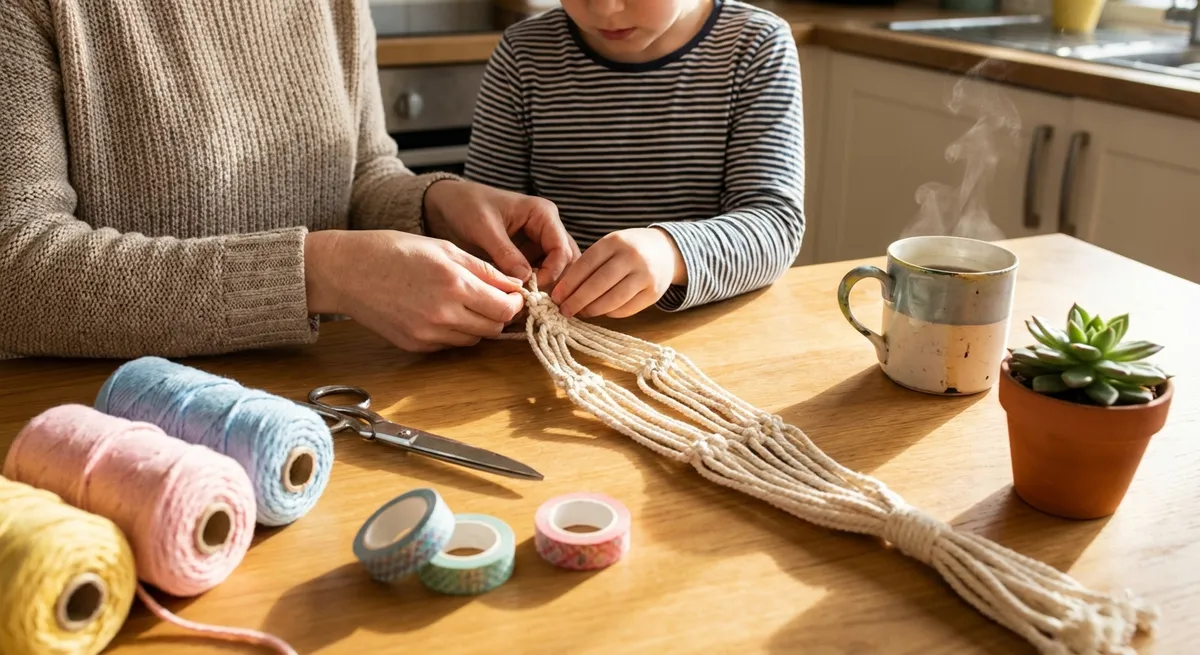
Below are five approachable DIY tips, each with step-by-step guidance, that almost anyone can follow—even if you’re convinced you’re “not creative.”
Tip 1: Start Small With a “One-Evening” Project
Big projects can feel inspiring… and also overwhelming. A “one-evening” craft is a project you can comfortably start and finish in an hour or two, with no special skills.
Try this: Simple Scrap Paper Bookmarks
You’ll need:
- Cardstock or a cut-up cereal box (for sturdiness)
- Scrap paper (magazine pages, old wrapping paper, junk mail with nice colors)
- Glue stick or white glue
- Scissors
- Hole punch (optional)
- Ribbon, string, or yarn (optional)
Steps:
- Cut your base: Cut rectangles from cardstock or a clean cereal box, about 2" x 6".
- Choose your scraps: Tear or cut small pieces from magazines or paper that have colors or patterns you like.
- Collage the front: Glue the scraps onto one side of your rectangle, overlapping them slightly so you cover the whole surface.
- Smooth and trim: Press down to smooth air bubbles. Once dry, trim any edges that stick out.
- Optional finish: Punch a hole at the top and add a ribbon or yarn loop.
- Seal (optional): If you have clear tape or contact paper, cover both sides for extra durability.
This little project checks all the boxes: low-cost, quick, and useful. Just finishing something small builds momentum for the next thing.
Tip 2: Use What You Already Have Instead of Buying New Supplies
Crafting doesn’t have to mean a shopping trip. You probably own more “supplies” than you realize—just in different forms.
Look around your home for:
- Paper: Junk mail, paper bags, packaging inserts
- Containers: Jars, cans (edges smoothed), small boxes
- Textiles: Old T-shirts, worn-out socks, torn pillowcases
- Extras: Buttons, ribbons from gifts, leftover wrapping paper
Try this: Upcycled Jar Organizer
Perfect for pens, paint brushes, makeup brushes, or kitchen tools.
You’ll need:
- A clean glass jar (sauce, jam, or pickles)
- String, yarn, or twine
- Scrap paper or fabric strips
- Glue (hot glue gun if you have one, or strong craft glue)
- Optional: Acrylic paint and a brush
Steps:
- Prep the jar: Wash, dry, and remove labels. Soak in warm soapy water to remove sticky residue.
Decorate with paint (optional):
- Lightly paint the outside with acrylic paint. - Let dry completely. You can leave it streaky for a rustic look; it doesn’t have to be perfect.
Wrap with string or fabric:
- Add a line of glue near the base or top of the jar. - Press one end of your string or fabric strip into the glue. - Wrap around the jar, adding a dab of glue every few turns to keep it in place.
Add simple details:
- Tie a small bow with leftover ribbon. - Glue on a button or two. 5. Put it to use: Store pencils, utensils, or craft tools in your new organizer.
The goal isn’t to create a “Pinterest-perfect” piece; it’s to practice seeing your everyday stuff as creative materials.
Tip 3: Make Reusable Fabric “Gift Wrap” From Old T-Shirts
This project turns worn-out T-shirts (especially those with stains or tiny holes) into something useful and eco-friendly: reusable fabric gift wrap or small “wrap bags.”
You’ll need:
- Old T-shirts (any color or pattern)
- Scissors
- Ruler (optional, but helpful)
- Needle and thread or a sewing machine or fabric glue
Steps for a No-Hem Wrap Cloth:
- Flatten the shirt: Lay it flat on a table, smoothing wrinkles.
- Cut off seams: Cut off the bottom hem and sleeves to get a flat rectangular piece of fabric.
- Trim to a square: Use scissors (and a ruler if you like) to cut a large square. It doesn’t need to be perfect.
- Stretch the edges: Gently tug along each edge. Knit T-shirt fabric curls naturally, creating a soft rolled edge that won’t fray easily.
Use it as wrap:
- Place a gift in the center. - Fold opposite corners toward the center. - Tie the remaining two corners into a simple knot on top.
Steps for a Simple Fabric Gift Bag:
- Cut your rectangle: Cut a rectangle of T-shirt fabric twice as tall as the gift and slightly wider.
- Fold in half: Fold so the “right” side (the side you want outside) is facing inward.
Seal two sides:
- Hand-stitch or machine-stitch the two side edges. - If you don’t sew, run a thin line of fabric glue along the edges and press firmly. Let dry completely. 4. Turn right-side out: Flip the bag so the seams are inside. 5. Tie it closed: Use a ribbon, string, or a thin strip of T-shirt fabric as a tie.
You’ve just made something gift-ready and reusable while keeping fabric out of the trash.
Tip 4: Turn Cardboard Into Easy Wall Art
If your walls feel a little bare, you can create simple, modern-looking decor with cardboard and paint or markers—no canvas required.
You’ll need:
- Cardboard (from shipping boxes or packaging)
- Pencil
- Scissors or a craft knife (use a cutting mat and be careful)
- Paints, markers, or colored pencils
- Optional: Glue and another piece of cardboard for layering
Try this: Abstract Shapes Wall Art
Steps:
- Cut a base panel: Cut a flat piece of cardboard into a rectangle or square. Aim for something like 8" x 10" or whatever fits your space.
Plan your design:
- Lightly sketch simple shapes: circles, arches, lines, waves, or blocks. - Think “simple and bold” rather than detailed.
Add color:
- Use paint or markers to fill in your shapes. - Stick to 2–4 colors for a clean look (e.g., two neutrals and one bold color).
Optional layering:
- Draw a few separate shapes on another piece of cardboard. - Cut them out carefully. - Paint them and let dry. - Glue them onto your base panel to create a layered, 3D effect. 5. Clean the edges: If the corrugated edges show, you can paint them a single color or wrap them with paper or tape.
Hang it up:
- Use painter’s tape loops, removable mounting strips, or a small nail if your wall allows. - Step back and adjust until it feels balanced.
This kind of art looks stylish even when it’s imperfect. Your only job is to have fun with colors and shapes.
Tip 5: Build a “10-Minute Craft Habit” Instead of Waiting for Free Time
One of the biggest barriers to DIY isn’t skill—it’s the belief that you “don’t have time.” Instead of waiting for a free afternoon that never comes, create a tiny daily or weekly habit.
Here’s how to set up a simple 10-minute craft routine:
Pick a small, portable project:
- Crochet or knit a simple square - Practice simple doodles or lettering in a notebook - Glue paper scraps into a collage page - Hand-stitch a small felt shape (heart, star, leaf)
Create a mini craft kit:
- Use a shoebox, tote, or pouch. - Keep only what you need for one type of project in it. Clutter makes starting harder.
Assign a time trigger:
- Right after your morning coffee - During a TV show you already watch - While waiting for dinner to cook (set a 10-minute timer)
Focus on progress, not perfection:
- Decide that “done” for the day means: 10 minutes of crafting or reaching a tiny goal (like cutting out three shapes).
Celebrate visible progress:
- Keep your finished or in-progress pieces somewhere you can see them. - Let that visible evidence remind you: “I am creative. I do finish things.”
Over time, these short, consistent bursts of creativity feel far more satisfying than waiting for a perfect, long crafting day that never arrives.
Conclusion
You don’t need “natural talent,” expensive tools, or a perfectly organized space to be a crafter. You just need:
- Small, finishable projects to build confidence
- Materials you already have to lower the pressure and the cost
- Simple steps you can follow without overthinking
- Tiny, consistent habits that fit into your real life
Pick just one of the tips above—maybe the scrap paper bookmarks or the upcycled jar organizer—and try it this week. Let the result be imperfect, but finished. Every time you complete something, no matter how small, you’re proving to yourself that your creativity is real, usable, and worth making time for.
Sources
- Environmental Protection Agency – Facts About Recycling - Provides data on waste and recycling, helpful for understanding why upcycling crafts (like jars and T-shirts) matter
- University of Arkansas Cooperative Extension – Recycled Crafts Ideas - Offers practical examples of using everyday materials for crafts
- Martha Stewart – DIY Crafts & Project Ideas - Inspiration and techniques for simple home crafts and organizing projects
- Creativebug (Joann) – Beginner Craft Classes - Demonstrates easy, beginner-friendly craft methods similar to the step-by-step projects described here